Folate in Plant Based Foods
2,279 plant foods ranked by folate per 100 g. Search a food, pick a food group or keep whole foods only.
- 2,279 plant foods with folate data
- Source: USDA FoodData Central
- Units: µg DFE folate per 100 g
- RDA: 400 µg DFE/day (adults) · 600 µg DFE/day (pregnant)
Top 50 of 654 whole foods (2,279 with the switch off), per 100 g unless marked.
| # | Group | ||
|---|---|---|---|
| 1 | Yardlong beans, mature seeds, raw | Legumes | |
| 2 | Mothbeans, mature seeds, raw | Legumes | |
| 3 | Cowpeas, catjang, mature seeds, raw | Legumes | |
| 4 |  Cowpeas, common (blackeyes, crowder, southern), mature seeds, raw Cowpeas, common (blackeyes, crowder, southern), mature seeds, raw | Legumes | |
| 5 |  Mung beans, mature seeds, raw Mung beans, mature seeds, raw | Legumes | |
| 6 |  Beans, adzuki, mature seeds, raw Beans, adzuki, mature seeds, raw | Legumes | |
| 7 |  Beans, cranberry (roman), mature seeds, raw Beans, cranberry (roman), mature seeds, raw | Legumes | |
| 8 | Seaweed, agar, dried | Vegetable Products | |
| 9 |  Chickpeas (garbanzo beans, bengal gram), mature seeds, raw Chickpeas (garbanzo beans, bengal gram), mature seeds, raw | Legumes | |
| 10 |  Spearmint, dried Spearmint, dried | Spices and Herbs | |
| 11 |  Beans, pinto, mature seeds, raw (Includes foods for USDA's Food Distribution Program) Beans, pinto, mature seeds, raw (Includes foods for USDA's Food Distribution Program) | Legumes | |
| 12 |  Beans, great northern, mature seeds, raw (Includes foods for USDA's Food Distribution Program) Beans, great northern, mature seeds, raw (Includes foods for USDA's Food Distribution Program) | Legumes | |
| 13 |  Lentils, raw Lentils, raw | Legumes | |
| 14 | Rice, white, long-grain, precooked or instant, enriched, dry | Grains | |
| 15 |  Beans, pink, mature seeds, raw Beans, pink, mature seeds, raw | Legumes | |
| 16 |  Beans, black, mature seeds, raw Beans, black, mature seeds, raw | Legumes | |
| 17 |  Beans, black turtle, mature seeds, raw Beans, black turtle, mature seeds, raw | Legumes | |
| 18 |  Broadbeans (fava beans), mature seeds, raw Broadbeans (fava beans), mature seeds, raw | Legumes | |
| 19 | Beans, french, mature seeds, raw | Legumes | |
| 20 |  Lima beans, large, mature seeds, raw Lima beans, large, mature seeds, raw | Legumes | |
| 21 | Rice, white, short-grain, enriched, uncooked | Grains | |
| 22 |  Beans, yellow, mature seeds, raw Beans, yellow, mature seeds, raw | Legumes | |
| 23 |  Beans, white, mature seeds, raw Beans, white, mature seeds, raw | Legumes | |
| 24 |  Rice, white, long-grain, regular, raw, enriched Rice, white, long-grain, regular, raw, enriched | Grains | |
| 25 |  Rice, white, medium-grain, raw, enriched Rice, white, medium-grain, raw, enriched | Grains | |
| 26 |  Beans, small white, mature seeds, raw Beans, small white, mature seeds, raw | Legumes | |
| 27 | Cornmeal, white, self-rising, degermed, enriched | Grains | |
| 28 |  Soybeans, mature seeds, raw Soybeans, mature seeds, raw | Legumes | |
| 29 | Cornmeal, yellow, self-rising, degermed, enriched | Grains | |
| 30 | Leeks, (bulb and lower-leaf portion), freeze-dried | Vegetable Products | |
| 31 |  Beans, navy, mature seeds, raw Beans, navy, mature seeds, raw | Legumes | |
| 32 | Cornmeal, yellow, self-rising, bolted, plain, enriched | Grains | |
| 33 | Cornmeal, white, self-rising, bolted, plain, enriched | Grains | |
| 34 | Lupins, mature seeds, raw | Legumes | |
| 35 |  Arrowroot, raw Arrowroot, raw | Verduras | |
| 36 | Cornmeal, degermed, enriched, yellow | Grains | |
| 37 | Cornmeal, degermed, enriched, white | Grains | |
| 38 | Spices, basil, dried | Spices and Herbs | |
| 39 | Spices, rosemary, dried | Spices and Herbs | |
| 40 | Radishes, oriental, dried | Vegetable Products | |
| 41 | Wheat germ, crude | Grains | |
| 42 | Spices, coriander leaf, dried | Spices and Herbs | |
| 43 | Spices, marjoram, dried | Spices and Herbs | |
| 44 | Spices, sage, ground | Spices and Herbs | |
| 45 | Spices, tarragon, dried | Spices and Herbs | |
| 46 | Spices, thyme, dried | Spices and Herbs | |
| 47 | Spices, chervil, dried | Spices and Herbs | |
| 48 | Semolina, enriched | Grains | |
| 49 | Peanuts, valencia, raw | Legumes | |
| 50 | Seeds, cottonseed meal, partially defatted (glandless) | Seeds |
Everyday foods rich in folate
Whole foods with their own page, per 100 g; spices and dried herbs left out.
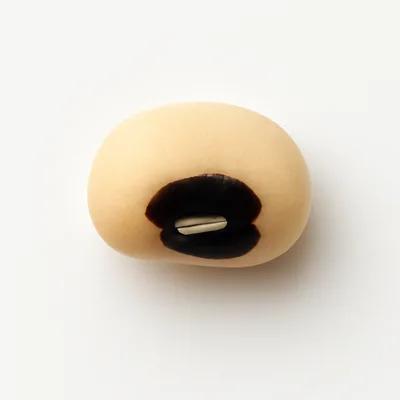 Black-eyed peas (cowpeas), raw
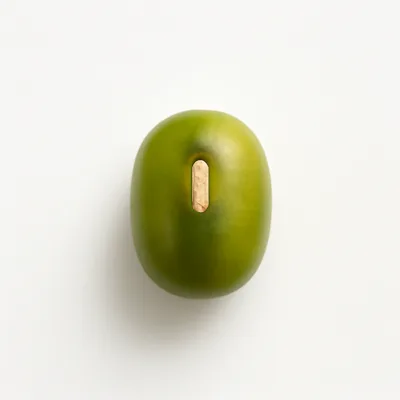 Mung beans, raw
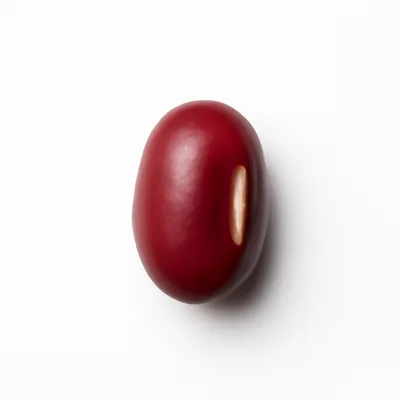 Adzuki beans, raw
 Cranberry beans (roman), raw
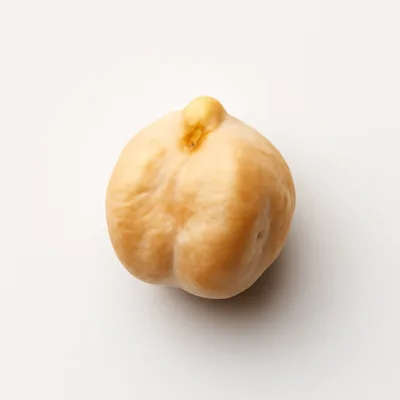 Chickpeas (garbanzo beans), raw
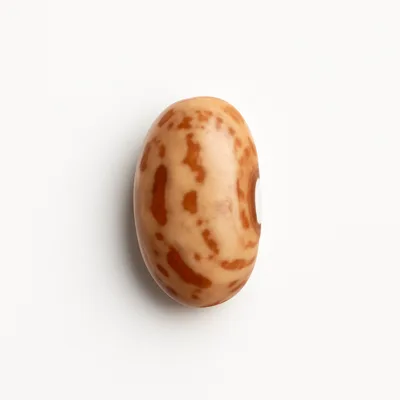 Pinto beans, raw
 Great northern beans, raw
 Lentils, raw
Good to know
Folate origin tip
Folate is found in abundance in dark leafy greens, legumes, and seeds. The name 'folate' comes from the Latin 'folium' (leaf) — a reminder that leafy greens are the original and most reliable source. A cup of cooked lentils with edamame and spinach provides close to the full daily requirement. Folate and vitamin B12 work together in the methylation cycle — folate is essential for cell division, DNA synthesis, and homocysteine metabolism. Plant based eaters should ensure adequate B12 (via supplements or fortified foods) alongside folate-rich foods for optimal methylation health.
Preguntas
How much folate do I need per day?
The RDA is 400 µg DFE/day for adults, and 600 µg DFE/day for pregnant individuals. A single serving of lentils or chickpeas, or a generous portion of edamame and spinach together, easily meets or exceeds the adult requirement. Plant based eaters eating leafy greens, legumes, and seeds daily typically meet RDA without effort. During pregnancy, additional supplementation (in consultation with a healthcare provider) may be recommended, particularly for plant based individuals.
What is the difference between folate and folic acid?
Folate is the natural form of the B9 vitamin found in whole plant foods. Folic acid is the synthetic form used in supplements and fortified foods. The body converts folic acid to folate, but this conversion is not 100% efficient — 1 µg of folic acid is considered equivalent to 1.7 µg of naturally occurring folate, which is why dietary folate equivalents (DFE) are used in nutritional science. Both forms support DNA synthesis and cell division. Whole plant foods deliver folate alongside other nutrients that enhance absorption and utilization.
What is the relationship between folate and vitamin B12?
Folate and B12 work synergistically in the methylation cycle, the body's primary one-carbon transfer pathway. B12 is required to convert 5-methyltetrahydrofolate (the circulating form of folate) into tetrahydrofolate, the active form that donates one-carbon units. Without adequate B12, folate cannot be recycled and utilized effectively — cells become folate-deficient despite normal folate intake, a phenomenon called "folate trap." Plant based eaters must ensure adequate B12 (via supplementation or fortified foods) to use dietary folate efficiently. The two vitamins are inseparable partners in DNA synthesis, homocysteine metabolism, and neural function.
Can a plant based diet provide enough folate?
Yes — a plant based diet rich in legumes, leafy greens, seeds, and whole grains easily meets the RDA for folate. In fact, plant based diets are often higher in folate than omnivorous diets because legumes and leafy greens are naturally concentrated folate sources. The key is eating a variety: rotate through lentils, chickpeas, black beans, edamame, spinach, asparagus, leafy greens, seeds, and nuts. However, during pregnancy or when recovering from deficiency, supplemental folic acid (in consultation with a healthcare provider) may be prudent to ensure optimal intake.
How does cooking affect folate in plant foods?
Folate is water-soluble and heat-sensitive, and it degrades during cooking — typically by 20–40% with steaming or microwaving, and up to 50–75% with prolonged boiling. Boiling leaches folate into cooking water, which is then discarded.
Related tools
Recipes with the most folate
-
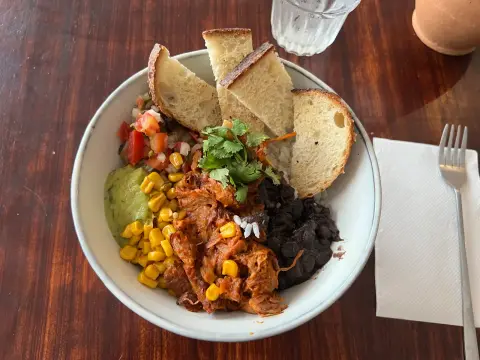 Bowl de yaca, frijoles negros y arroz, inspirado en Planticeria en Ciudad de Panamá 1 h 20 min · 784 kcal por porción Alimentos integralesSin aceiteSin glutenSin frutos secos+4 más
 -
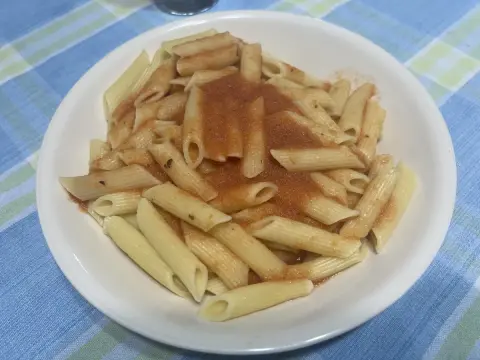 Italia Pasta con salsa de tomate estilo napolitano 543 kcal por porción Bajo en grasaSin aceiteSin frutos secosSin soja+3 más
 -
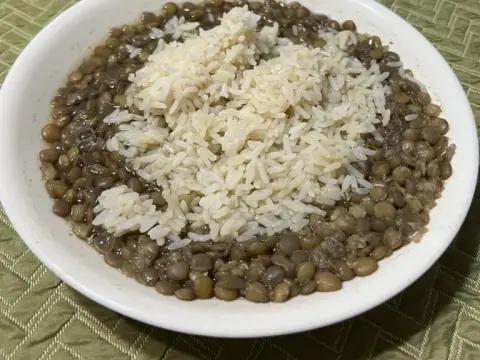 Lentejas con arroz y plátanos 509 kcal por porción Sin SOSAlimentos integralesBajo en grasaSin gluten+4 más
 -
 Tortitas veganas 689 kcal por porción Bajo en grasaSin aceiteSin frutos secosSin soja+3 más