Protein in Plant Based Foods
3,064 plant foods ranked by protein per 100 g. Search a food, pick a food group or keep whole foods only.
- 3,064 plant foods with protein data
- Source: USDA FoodData Central
- Units: g protein per 100 g
- RDA: 50 g/day (standard) · 1.2–2.0 g/kg (athletes)
Top 50 of 966 whole foods (3,064 with the switch off), per 100 g unless marked.
| # | Group | ||
|---|---|---|---|
| 1 | Vital wheat gluten | Grains | |
| 2 | Seaweed, spirulina, dried | Vegetable Products | |
| 3 | Tofu, dried-frozen (koyadofu) | Legume Products | |
| 4 | Tofu, dried-frozen (koyadofu), prepared with calcium sulfate | Legume Products | |
| 5 | Seeds, cottonseed meal, partially defatted (glandless) | Seeds | |
| 6 | Soybeans, mature seeds, dry roasted | Legumes | |
| 7 | Soybeans, mature seeds, roasted, no salt added | Legumes | |
| 8 |  Soybeans, mature seeds, raw Soybeans, mature seeds, raw | Legumes | |
| 9 | Lupins, mature seeds, raw | Legumes | |
| 10 | Seeds, safflower seed meal, partially defatted | Seeds | |
| 11 | Seeds, cottonseed kernels, roasted (glandless) | Seeds | |
| 12 | Seeds, hemp seed, hulled | Seeds | |
| 13 | Parsley, freeze-dried | Vegetable Products | |
| 14 | Seeds, pumpkin and squash seed kernels, dried | Seeds | |
| 15 | Seeds, pumpkin seeds (pepitas), raw | Seeds | |
| 16 | Seeds, pumpkin and squash seed kernels, roasted, with salt added | Seeds | |
| 17 | Seeds, pumpkin and squash seed kernels, roasted, without salt | Seeds | |
| 18 | Winged beans, mature seeds, raw | Legumes | |
| 19 | Seeds, watermelon seed kernels, dried | Seeds | |
| 20 | Beans, Dry, Tan (0% moisture) | Legumes | |
| 21 | Beans, Dry, Tan (0% moisture) | Legumes | |
| 22 | Spices, parsley, dried | Spices and Herbs | |
| 23 | Peanuts, spanish, raw | Legumes | |
| 24 |  Broadbeans (fava beans), mature seeds, raw Broadbeans (fava beans), mature seeds, raw | Legumes | |
| 25 | Spices, mustard seed, ground | Spices and Herbs | |
| 26 |  Peanuts, all types, raw Peanuts, all types, raw | Legumes | |
| 27 | Beans, Dry, Brown (0% moisture) | Legumes | |
| 28 | Beans, Dry, Brown (0% moisture) | Legumes | |
| 29 | Papad | Legumes | |
| 30 | Beans, Dry, Medium Red (0% moisture) | Legumes | |
| 31 | Beans, Dry, Medium Red (0% moisture) | Legumes | |
| 32 | Mungo beans, mature seeds, raw | Legumes | |
| 33 | Beans, Dry, Carioca (0% moisture) | Legumes | |
| 34 | Beans, Dry, Carioca (0% moisture) | Legumes | |
| 35 | Peanuts, virginia, raw | Legumes | |
| 36 | Peanuts, valencia, raw | Legumes | |
| 37 | Nuts, butternuts, dried | Nuts | |
| 38 | Beans, Dry, Great Northern (0% moisture) | Legumes | |
| 39 | Beans, Dry, Great Northern (0% moisture) | Legumes | |
| 40 |  Lentils, raw Lentils, raw | Legumes | |
| 41 | Beans, Dry, Light Tan (0% moisture) | Legumes | |
| 42 | Beans, Dry, Light Tan (0% moisture) | Legumes | |
| 43 | Beans, Dry, Small White (0% moisture) | Legumes | |
| 44 | Beans, Dry, Small White (0% moisture) | Legumes | |
| 45 | Beans, Dry, Cranberry (0% moisture) | Legumes | |
| 46 | Beans, Dry, Black (0% moisture) | Legumes | |
| 47 | Beans, Dry, Cranberry (0% moisture) | Legumes | |
| 48 | Beans, Dry, Black (0% moisture) | Legumes | |
| 49 | Peanuts, all types, dry-roasted, with salt | Legumes | |
| 50 | Peanuts, all types, dry-roasted, without salt | Legumes |
Everyday foods rich in protein
Whole foods with their own page, per 100 g; spices and dried herbs left out.
 Soybeans, raw
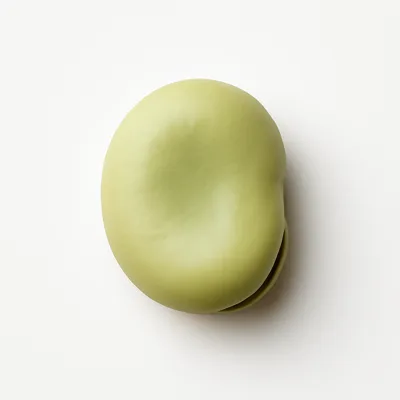 Fava beans (broad beans), dry, raw
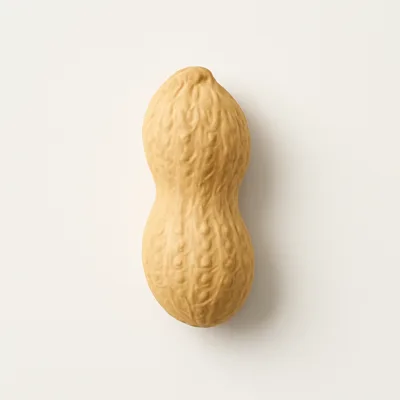 Peanuts, raw
 Lentils, raw
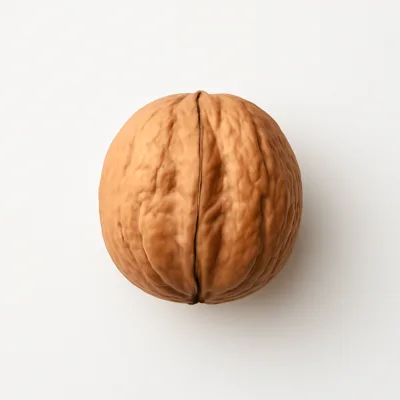 Walnuts, black, dried
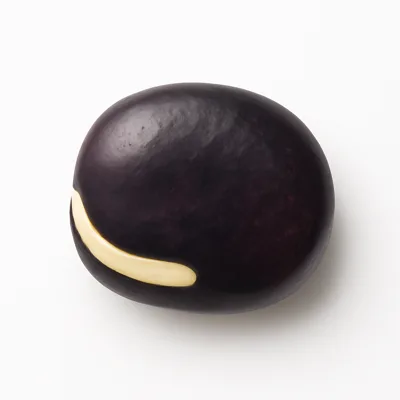 Hyacinth beans, raw
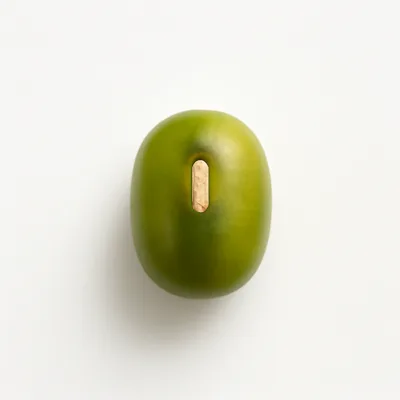 Mung beans, raw
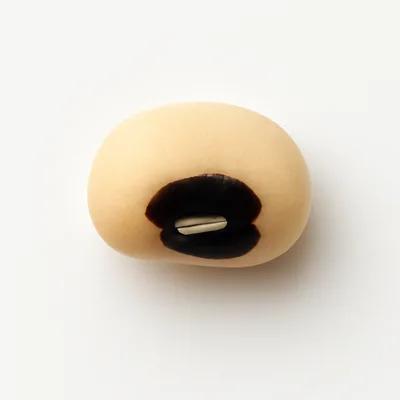 Black-eyed peas (cowpeas), raw
Good to know
Amino acid completeness tip
Soy and quinoa are complete proteins containing all nine essential amino acids. For other legumes and grains, combine them across the day — rice and lentils, beans and corn tortillas, or hummus and wholegrain bread — to ensure a complete amino acid profile. Your body pools amino acids throughout the day, so precise meal combining is not necessary.
Questions
How much protein do I need per day?
The RDA is 0.8 g per kg of body weight (~50 g/day for a typical adult). Active individuals benefit from 1.2–2.0 g/kg. A plant based athlete eating 1.6 g/kg can achieve this through meals built around tempeh, tofu, lentils, hemp seeds, and pumpkin seeds.
What is leucine and why does it matter for plant based eaters?
Leucine is the key amino acid that triggers muscle protein synthesis via the mTOR pathway. It's abundant in soybeans, tempeh, pumpkin seeds, lentils, and hemp seeds. Plant based athletes optimise leucine intake by centering meals around these foods — particularly post-exercise.
What is the difference between protein quality scores for plant foods?
PDCAAS and DIAAS measure protein quality based on amino acid composition and digestibility. Soy protein scores highest among plant sources (~1.0 PDCAAS), followed by quinoa (~0.9), hemp (~0.66), and most legumes (~0.6–0.7). Fermenting, sprouting, and cooking all improve scores by reducing antinutrients and improving digestibility.
Can you get enough protein on a plant based diet?
Yes — research consistently shows plant based eaters meet protein requirements through whole foods. Legumes, tofu, tempeh, seitan, hemp seeds, and quinoa are reliable protein-dense staples. Eating a varied diet across the day naturally provides all essential amino acids without any need for precise meal combining.
Does cooking affect protein content in plant foods?
Cooking slightly concentrates protein per 100 g in wet-cooked legumes (as some water is absorbed by the food). It also deactivates antinutritional factors like trypsin inhibitors in raw soybeans, improving protein bioavailability. Sprouting grains and legumes before cooking can further enhance digestibility.
Related tools
Recipes with the most protein
-
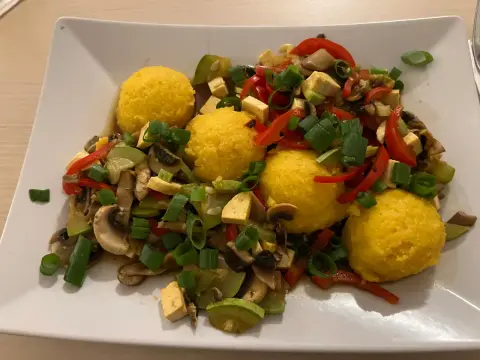 روماني عصيدة الذرة (بولينتا) مع الخضار والتوفو، مستوحاة من BIOfresh في Timișoara 45 دقيقة · 464 kcal لكل حصة أغذية كاملة نباتيةخالٍ من الزيتخالٍ من الغلوتينخالٍ من المكسرات+3 المزيد
 -
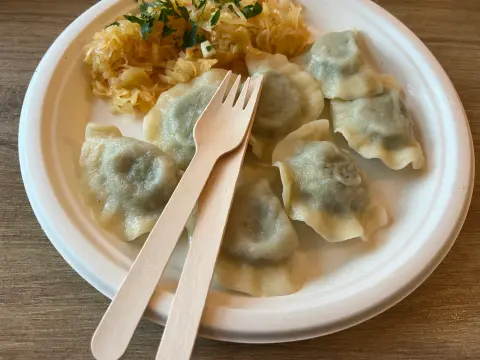 بولندي بيروغي السبانخ والتوفو مع مخلل الملفوف، مستوحى من Soczysta Strawa في Lublin 1 ساعة و 40 دقيقة · 485 kcal لكل حصة خالٍ من الزيتخالٍ من المكسراتبدون سكر مضافخالٍ من الفول السوداني+1 المزيد
 -
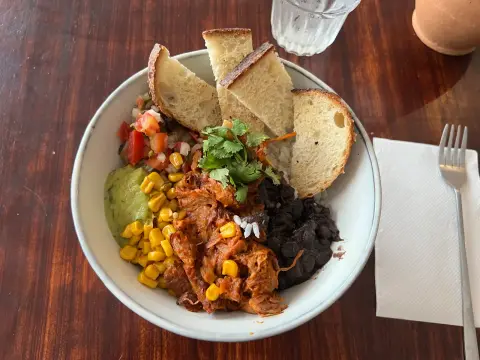 وعاء الجاك فروت والفاصوليا السوداء والأرز، مستوحى من Planticeria في Panama City 1 ساعة و 20 دقيقة · 784 kcal لكل حصة أغذية كاملة نباتيةخالٍ من الزيتخالٍ من الغلوتينخالٍ من المكسرات+4 المزيد
 -
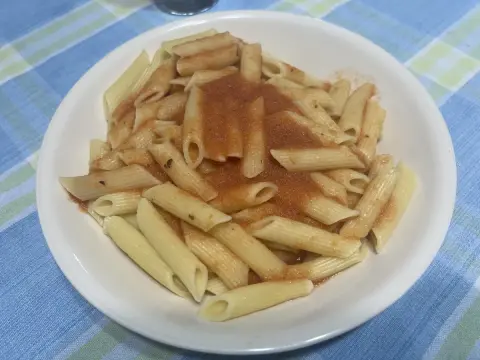 إيطالي معكرونة بصلصة الطماطم على طريقة نابولي 543 kcal لكل حصة قليل الدسمخالٍ من الزيتخالٍ من المكسراتخالٍ من الصويا+3 المزيد