Vitamin E in Plant Based Foods
1,911 plant foods ranked by Vitamin E per 100 g. Search a food, pick a food group or keep whole foods only.
- 1,911 plant foods with vitamin E data
- Source: USDA FoodData Central
- Units: mg vitamin E per 100 g
- RDA: 15 mg/day (adults)
Top 50 of 446 whole foods (1,911 with the switch off), per 100 g unless marked.
| # | Group | ||
|---|---|---|---|
| 1 |  Seeds, sunflower seed kernels, dried Seeds, sunflower seed kernels, dried | Seeds | |
| 2 | Spices, pepper, red or cayenne | Spices and Herbs | |
| 3 |  Spices, paprika Spices, paprika | Spices and Herbs | |
| 4 | Seeds, sunflower seed kernels from shell, dry roasted, with salt added | Seeds | |
| 5 | Seeds, sunflower seed kernels, dry roasted, with salt added | Seeds | |
| 6 | Seeds, sunflower seed kernels, dry roasted, without salt | Seeds | |
| 7 |  Nuts, almonds Nuts, almonds | Nuts | |
| 8 | Nuts, almonds, dry roasted, with salt added | Nuts | |
| 9 | Nuts, almonds, dry roasted, without salt added | Nuts | |
| 10 | Nuts, almonds, blanched | Nuts | |
| 11 | Seeds, sunflower seed kernels, dry roasted, with salt added | Seeds | |
| 12 | Nuts, almonds, dry roasted, with salt added | Nuts | |
| 13 | Spices, oregano, dried | Spices and Herbs | |
| 14 | Nuts, hazelnuts or filberts, blanched | Nuts | |
| 15 | Nuts, hazelnuts or filberts, dry roasted, without salt added | Nuts | |
| 16 |  Nuts, hazelnuts or filberts Nuts, hazelnuts or filberts | Nuts | |
| 17 |  Nuts, almond paste Nuts, almond paste | Nuts | |
| 18 | Nuts, mixed nuts, dry roasted, with peanuts, with salt added | Nuts | |
| 19 | Spices, basil, dried | Spices and Herbs | |
| 20 |  Nuts, pine nuts, dried Nuts, pine nuts, dried | Nuts | |
| 21 | Spices, parsley, dried | Spices and Herbs | |
| 22 | Spices, cloves, ground | Spices and Herbs | |
| 23 |  Peanuts, all types, raw Peanuts, all types, raw | Legumes | |
| 24 | Spices, sage, ground | Spices and Herbs | |
| 25 | Spices, thyme, dried | Spices and Herbs | |
| 26 | Peanuts, virginia, raw | Legumes | |
| 27 | Nuts, mixed nuts, dry roasted, with peanuts, without salt added | Nuts | |
| 28 | Nuts, brazilnuts, dried, unblanched | Nuts | |
| 29 | Nuts, mixed nuts, dry roasted, with peanuts, salt added, PLANTERS pistachio blend | Nuts | |
| 30 | Carrot, dehydrated | Vegetable Products | |
| 31 | Vitasoy USA Nasoya, Lite Silken Tofu | Legume Products | |
| 32 | Vitasoy USA, Nasoya Lite Firm Tofu | Legume Products | |
| 33 | Spices, mustard seed, ground | Spices and Herbs | |
| 34 | Seaweed, agar, dried | Vegetable Products | |
| 35 | Seaweed, spirulina, dried | Vegetable Products | |
| 36 | Peanuts, all types, dry-roasted, without salt | Legumes | |
| 37 | Peanuts, all types, dry-roasted, with salt | Legumes | |
| 38 | Rice bran, crude | Grains | |
| 39 | Spices, turmeric, ground | Spices and Herbs | |
| 40 | Apricots, dried, sulfured, uncooked | فواكه | |
| 41 | Peppers, sweet, red, freeze-dried | Vegetable Products | |
| 42 | Olives, green, Manzanilla, stuffed with pimiento | فواكه | |
| 43 |  Peppers, jalapeno, raw Peppers, jalapeno, raw | الخضروات | |
| 44 | Vegetarian fillets | Legumes | |
| 45 |  Dandelion greens, raw Dandelion greens, raw | الخضروات | |
| 46 | Spices, cumin seed | Spices and Herbs | |
| 47 | Peppers, hot chile, sun-dried | Vegetable Products | |
| 48 | Peppers, sweet, red, sauteed | الخضروات | |
| 49 | Luncheon slices, meatless | Legumes | |
| 50 | Taro, cooked, without salt | الخضروات |
Everyday foods rich in Vitamin E
Whole foods with their own page, per 100 g; spices and dried herbs left out.
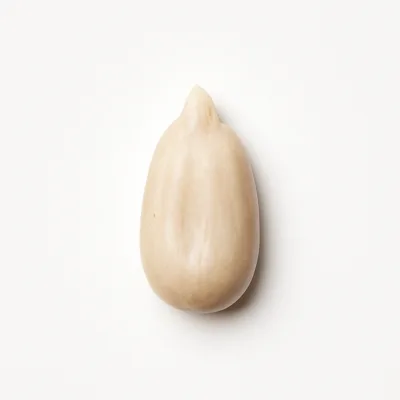 Sunflower seeds, dried
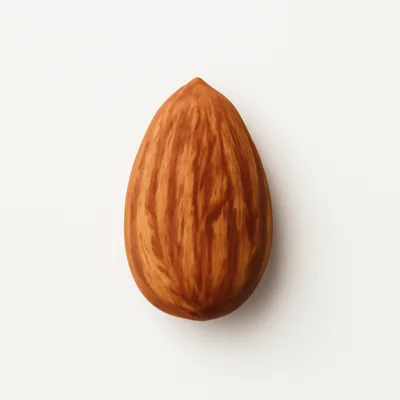 Almonds
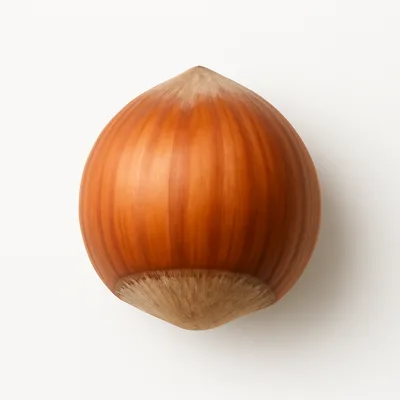 Hazelnuts
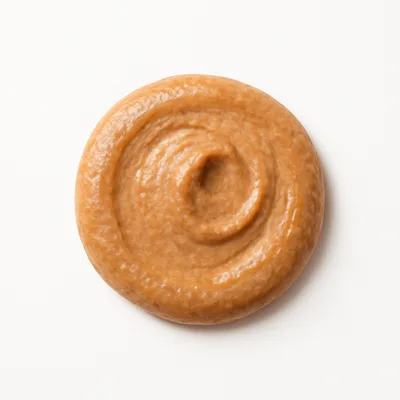 Almond paste
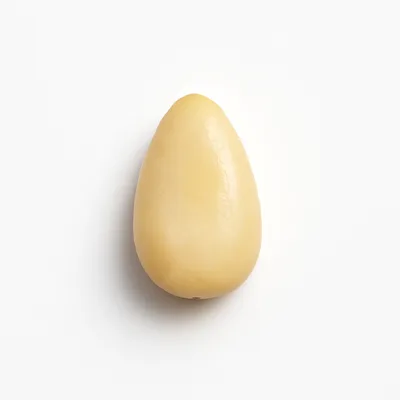 Pine nuts, dried
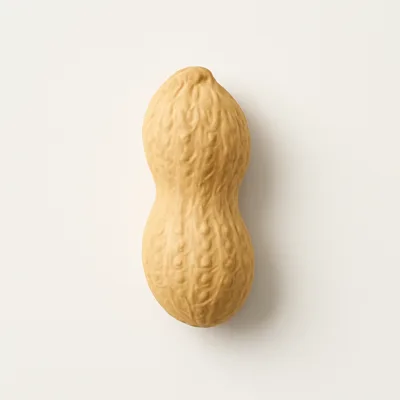 Peanuts, raw
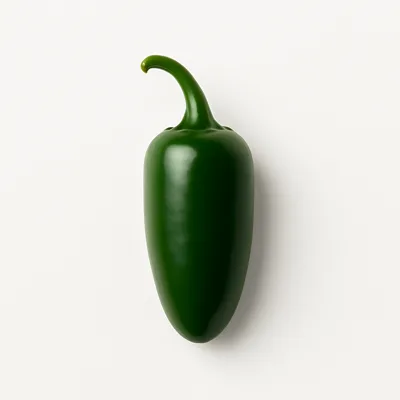 Jalapeno peppers, raw
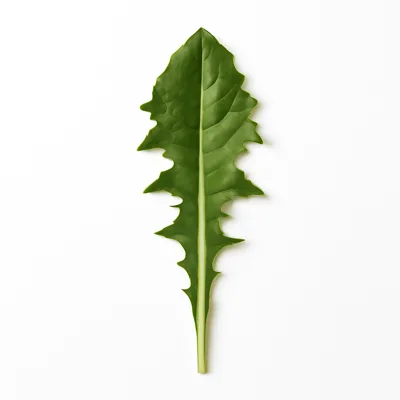 Dandelion greens, raw
Good to know
Selenium synergy tip
Vitamin E and selenium work as a synergistic antioxidant team. Selenium is part of glutathione peroxidase, which handles water-soluble oxidative stress, while vitamin E handles fat-soluble membrane protection. Including both in every meal creates a comprehensive antioxidant defence system. See the Selenium Ranking Tool for plant based selenium sources.
Questions
How much vitamin E do I need per day?
The RDA is 15 mg/day for adults (both women and men). One ounce (~28g) of almonds provides about 7 mg; sunflower seeds provide roughly 8.4 mg per ounce. A plant based diet rich in nuts, seeds, and vegetable oils easily provides the full RDA. Most people on a varied whole-foods diet need not supplement.
What is the difference between alpha-tocopherol and other tocopherol forms?
Alpha-tocopherol is the primary biologically active form of vitamin E in humans — the form used by the body and the one reflected in RDA guidelines. Other tocopherols (beta, gamma, delta) have lower bioavailability. Gamma-tocopherol, found in walnuts and sesame seeds, has emerging research support but is not counted in RDA calculations. The USDA FoodData Central database reports primarily alpha-tocopherol content.
Can a plant based diet provide enough vitamin E?
Yes — a plant based diet easily provides adequate vitamin E when it includes nuts, seeds, and vegetable oils. Just one ounce of almonds (~28g) delivers roughly 50% of the RDA; a tablespoon of sunflower oil or a handful of sunflower seeds exceeds the full RDA. Plant sources are in fact the primary dietary source of vitamin E worldwide; animal products contain minimal amounts.
Is vitamin E destroyed by cooking or processing?
Vitamin E is relatively stable during normal cooking but can degrade during high-heat frying, prolonged storage, or exposure to light and oxygen. Cold-pressed oils retain more vitamin E than refined oils. Roasting nuts and seeds has minimal impact on vitamin E content. The best approach is to consume a mix: some raw (nuts, seeds, avocado) alongside lightly cooked foods with vegetable oils.
Related tools
Recipes with the most Vitamin E
-
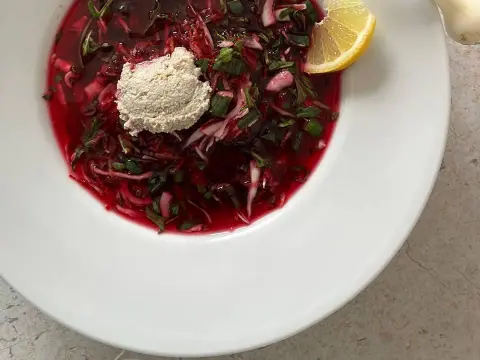 أوكراني بورشت نباتي نيء 2 ساعة و 30 دقيقة · 434 kcal لكل حصة أغذية كاملة نباتيةخالٍ من الزيتخالٍ من الغلوتينخالٍ من المكسرات+4 المزيد
 -
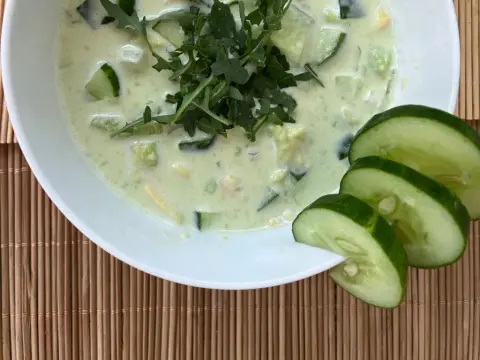 حساء اللوز البارد 10 دقائق · 201 kcal لكل حصة خالٍ من الملح والزيت والسكرأغذية كاملة نباتيةسريعخالٍ من الغلوتين+3 المزيد
 -
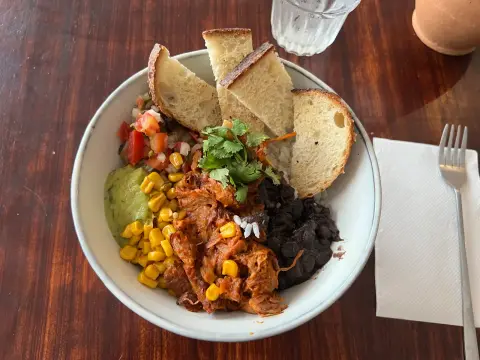 وعاء الجاك فروت والفاصوليا السوداء والأرز، مستوحى من Planticeria في Panama City 1 ساعة و 20 دقيقة · 784 kcal لكل حصة أغذية كاملة نباتيةخالٍ من الزيتخالٍ من الغلوتينخالٍ من المكسرات+4 المزيد
 -
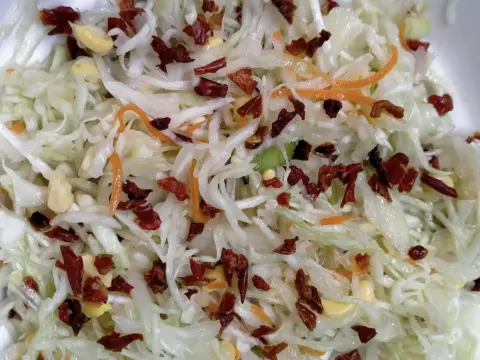 أوكراني سلطة الملفوف مع البابريكا 10 دقائق · 154 kcal لكل حصة سريعخالٍ من الغلوتينخالٍ من المكسراتخالٍ من الصويا+3 المزيد