Vitamin K1 in Plant Based Foods
1,687 plant foods ranked by Vitamin K1 per 100 g. Search a food, pick a food group or keep whole foods only.
- 1,687 plant foods with vitamin K1 data
- Source: USDA FoodData Central
- Units: µg vitamin K1 per 100 g
- Adequate Intake: 90 µg/day (women) · 120 µg/day (men)
Top 50 of 397 whole foods (1,687 with the switch off), per 100 g unless marked.
| # | Group | ||
|---|---|---|---|
| 1 | Spices, sage, ground | Spices and Herbs | |
| 2 | Spices, thyme, dried | Spices and Herbs | |
| 3 | Spices, basil, dried | Spices and Herbs | |
| 4 |  Parsley, fresh Parsley, fresh | Vegetables | |
| 5 | Spices, coriander leaf, dried | Spices and Herbs | |
| 6 | Spices, parsley, dried | Spices and Herbs | |
| 7 | Amaranth leaves, raw | Vegetables | |
| 8 |  Chard, swiss, raw Chard, swiss, raw | Vegetables | |
| 9 |  Dandelion greens, raw Dandelion greens, raw | Vegetables | |
| 10 | Spices, marjoram, dried | Spices and Herbs | |
| 11 | Spices, oregano, dried | Spices and Herbs | |
| 12 |  Cress, garden, raw Cress, garden, raw | Vegetables | |
| 13 |  Spinach, raw Spinach, raw | Vegetables | |
| 14 |  Collards, raw Collards, raw | Vegetables | |
| 15 |  Basil, fresh Basil, fresh | Spices and Herbs | |
| 16 |  Beet greens, raw Beet greens, raw | Vegetables | |
| 17 | Kale, raw | Vegetables | |
| 18 |  Kale, raw Kale, raw | Vegetables | |
| 19 | Chrysanthemum, garland, raw | Vegetables | |
| 20 |  New Zealand spinach, raw New Zealand spinach, raw | Vegetables | |
| 21 |  Coriander (cilantro) leaves, raw Coriander (cilantro) leaves, raw | Vegetables | |
| 22 |  Sweet potato leaves, raw Sweet potato leaves, raw | Vegetables | |
| 23 | Chicory greens, raw | Vegetables | |
| 24 |  Mustard greens, raw Mustard greens, raw | Vegetables | |
| 25 | Broccoli raab, cooked | Vegetables | |
| 26 |  Radicchio, raw Radicchio, raw | Vegetables | |
| 27 |  Turnip greens, raw Turnip greens, raw | Vegetables | |
| 28 |  Watercress, raw Watercress, raw | Vegetables | |
| 29 | Endive, raw | Vegetables | |
| 30 | Broccoli raab, raw | Vegetables | |
| 31 |  Chives, raw Chives, raw | Vegetables | |
| 32 |  Onions, spring or scallions (includes tops and bulb), raw Onions, spring or scallions (includes tops and bulb), raw | Vegetables | |
| 33 | Onions, welsh, raw | Vegetables | |
| 34 |  Brussels sprouts, raw Brussels sprouts, raw | Vegetables | |
| 35 |  Spices, pepper, black Spices, pepper, black | Spices and Herbs | |
| 36 | Onions, young green, tops only | Vegetables | |
| 37 | Spices, cloves, ground | Spices and Herbs | |
| 38 |  Lettuce, red leaf, raw Lettuce, red leaf, raw | Vegetables | |
| 39 |  Lettuce, green leaf, raw Lettuce, green leaf, raw | Vegetables | |
| 40 | Lettuce, leaf, green, raw | Vegetables | |
| 41 | Cabbage, mustard, salted | Vegetables | |
| 42 | Peppers, sweet, red, freeze-dried | Vegetable Products | |
| 43 |  Taro leaves, raw Taro leaves, raw | Vegetables | |
| 44 | Grape leaves, raw | Vegetables | |
| 45 | Sweet potato leaves, cooked, steamed, without salt | Vegetables | |
| 46 |  Arugula, raw Arugula, raw | Vegetables | |
| 47 | Sweet potato leaves, cooked, steamed, with salt | Vegetables | |
| 48 | Peppers, hot chile, sun-dried | Vegetable Products | |
| 49 | Carrot, dehydrated | Vegetable Products | |
| 50 |  Lettuce, cos or romaine, raw Lettuce, cos or romaine, raw | Vegetables |
Everyday foods rich in Vitamin K1
Whole foods with their own page, per 100 g; spices and dried herbs left out.
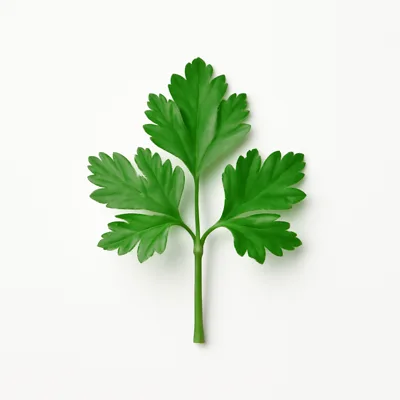 Parsley, fresh
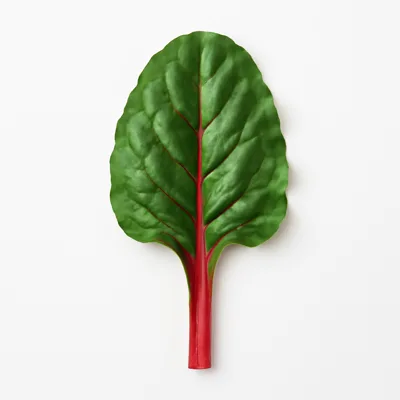 Chard, swiss, raw
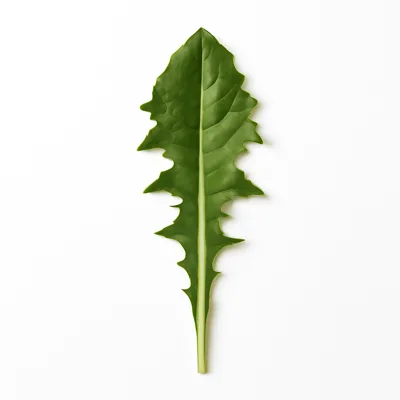 Dandelion greens, raw
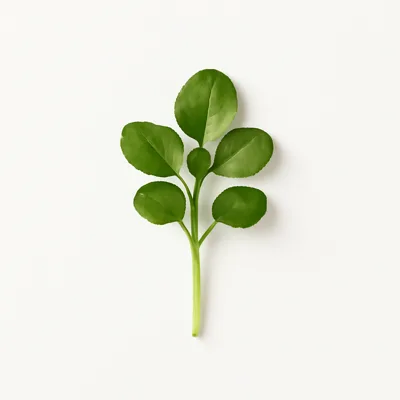 Cress, garden, raw
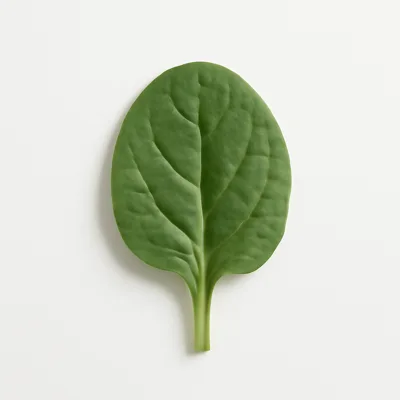 Spinach, raw
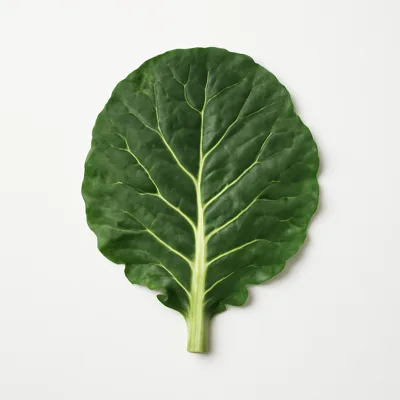 Collards, raw
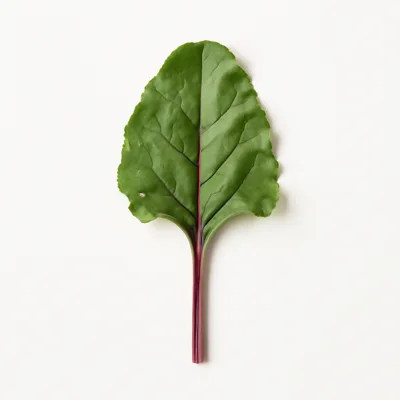 Beet greens, raw
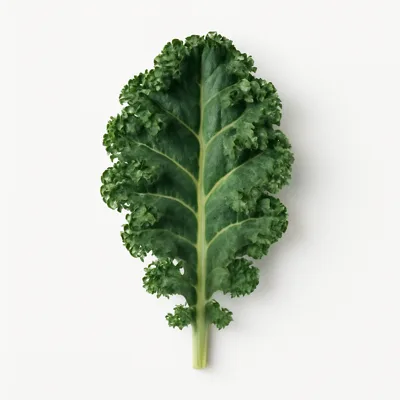 Kale, raw
Good to know
Synergy with calcium & vitamin D
Vitamin K1 works synergistically with vitamin D and calcium to direct calcium into bones rather than arteries. If you take a vitamin D supplement, ensuring adequate K1 from dark leafy greens supports optimal calcium metabolism. See the Calcium Ranking Tool for plant based calcium sources.
Questions
How much vitamin K do I need per day?
The Adequate Intake (AI) is 90µg/day for women and 120µg/day for men — there is no RDA for vitamin K1. A single cup of raw kale provides well over the AI. A handful of parsley (about 10g) delivers over 160µg. Plant based eaters who include even modest amounts of leafy greens consistently meet or exceed the adequate intake with ease.
What is the difference between vitamin K1 and K2?
Vitamin K1 (phylloquinone) is found almost exclusively in green leafy vegetables and is the primary dietary form on plant based diets. Vitamin K2 (menaquinone) is produced by bacteria in fermented foods like natto (fermented soybeans), tempeh, and sauerkraut — K2 content varies dramatically. The body can convert some dietary K1 to K2, though the efficiency is modest. For plant based eaters, K1 from leafy greens is the reliable, consistent source.
Can a plant based diet provide enough vitamin K?
Yes, absolutely. Plant based diets are the richest dietary source of vitamin K1. Leafy greens — kale, spinach, collard greens, Swiss chard, parsley — are unequivocally the highest-concentration sources. A plant based eater who includes even modest servings of cooked or raw leafy greens easily meets the adequate intake. This is one nutrient where plant based diets have a decisive advantage over omnivorous diets.
Does cooking destroy vitamin K in leafy greens?
Vitamin K1 is fat-soluble, not water-soluble, so it is remarkably heat-stable. Boiling leafy greens causes minimal K1 loss — most is retained. In fact, cooking increases the bioavailability of vitamin K1 slightly by releasing it from plant cells. Cooking also reduces volume, making it easier to consume larger quantities of greens. Both raw and cooked greens deliver abundant vitamin K1; the best approach is to eat both forms regularly.
Related tools
Recipes with the most Vitamin K1
-
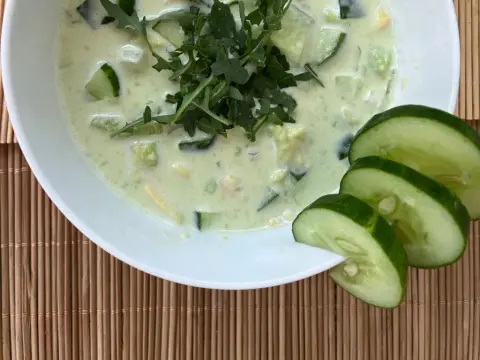 Cold Almond Soup 10 min · 201 kcal per serving SOS freeWhole foodQuickGluten free+3 more
 -
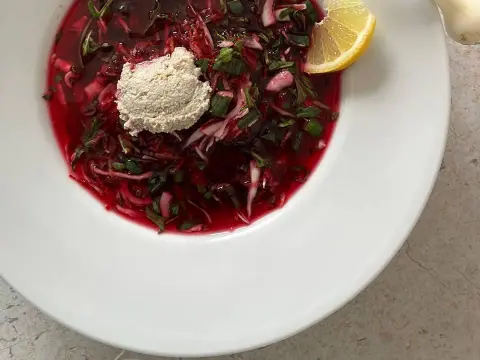 Ukrainian Raw Vegan Borscht 2 h 30 min · 434 kcal per serving Whole foodOil freeGluten freeTree nut free+4 more
 -
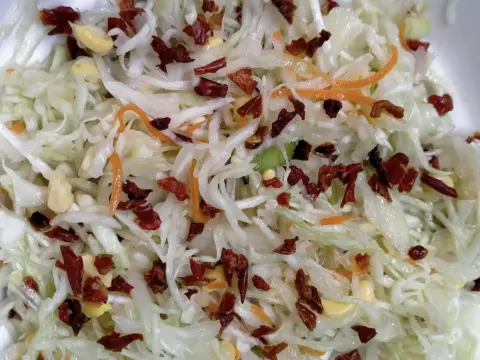 Russia Cabbage Salad with Paprika 10 min · 154 kcal per serving QuickGluten freeTree nut freeSoy free+3 more
 -
 Oil-Free Air Fryer Sweet Plantains 20 min · 220 kcal per serving SOS freeWhole foodLow fatQuick+5 more