Pages in other languages are translated automatically from English.
For education only, not medical advice. Ask your doctor before you change your diet or any medication.
Soy on a plant based diet: what the doctors say
Soy on a plant based diet: what McDougall, Campbell, Barnard and Rogers say about tofu, hormones and cancer, where they agree and differ, with sources.
Updated . For education only, not medical advice.
Our view
Soy is one of the few foods on which the doctors on this site openly disagree: Neal Barnard and T. Colin Campbell call it a health food and the cancer fear a myth, while Peter Rogers has advised against it since at least 2022123. Between them stand John McDougall and Jeff Novick, who accept whole soy foods in small amounts and reject the processed kind45, and Alan Goldhamer sits close to them, seeing little to fear in soy but keeping tofu to small portions67.
We give most weight to that middle position, because it comes from low-fat clinicians who neither push soy nor fear it: McDougall said in 2011 that his starch-based diet needs no soy at all, yet about a tenth of his recipes use tofu, miso, tempeh or edamame84. Novick added a useful scale in 2008: even the highest soy eaters in the Japanese and Chinese studies took in only a few grams of soy protein a day, well under the 25 grams named in the US health claim9. So the population data that make soy look safe, and perhaps protective, describe soy as a side dish, not as the center of the plate910.
On hormones and cancer, the weight of the cited doctors runs against the fear: Campbell says soy’s plant estrogens act against estrogen, Barnard reports less breast and prostate cancer in the highest soy eaters, and McDougall, while calling the data incomplete in 2023, read his papers the same way21112. Rogers’ case leans on outside critics whose arguments, by his own words in 2022, he could not judge, and on worries about herbicide-resistant crops and hexane processing that apply to industrial soy rather than to organic beans and tofu13143.
Where they agree
Nobody here says soy is required: McDougall told viewers in 2011 they can leave it out entirely, Barnard called it optional in 2024, and Novick has long treated it as a small extra at most81516.
Most of them also draw the same line between foods and factory products: McDougall calls soy burgers, cheeses and nuggets built from isolated soy protein fake food, Novick advised skipping processed soy and soy pills, and Campbell wrote that whole soy foods keep looking protective in studies, while extracts and supplements made from soy do not share that record17518. McDougall repeated in 2023 that isolated soy protein foods and powders carry far more protein than people need19.
The doctors who eat or recommend soy name the same traditional forms: tofu, tempeh, edamame, miso and soy milk appear in the advice of McDougall, Novick, Rip Esselstyn and Barnard45201.
Where they differ
The splits are over hormones and cancer, over how processed soy may be, over how much to eat, and over whether soy is a health food or just an optional bean2118515.
Hormones and cancer
Rogers called soy uniquely estrogenic in a 2023 lecture and concluded that people are better off avoiding it21. Campbell, asked in 2023, dismissed the breast cancer fear as nonsense, saying the plant compounds in soy work against estrogen at the low levels found in food2. Ornish’s program site, read in 2026, likewise describes these compounds as weak binders to the estrogen receptor that may even block it at low levels22. Alan Goldhamer, asked in 2023, thought the estrogen worry had probably been blown far out of proportion and saw no real case against some soy in the diet6. Barnard said in 2024 that soy does not cause breast growth in men, which he traces to body fat converting testosterone, and that breast cancer survivors with the most soy in their diet were 25 to 30% less likely to relapse or die of the disease232425. McDougall was more careful in 2023: doctors do not know for sure, he said, but the papers he had, from Japan for example, showed women with breast cancer who ate more soy living longer12.
Whole or processed
McDougall’s line, drawn in 2011, is that soy made with little more than grinding, filtering, setting or fermenting is fine, while meat look-alikes built from soy isolate are not417. Rogers goes further and distrusts the crop itself, pointing in 2022 and 2023 to solvent extraction with hexane and to glyphosate sprayed on non-organic, genetically modified soy314. Campbell holds that most of the confusing research comes from mixing studies of powders and isolates with studies of whole soy foods18.
How much
McDougall named a couple of ounces a day as reasonable in 2011 and in 2023 said soy should stay a condiment rather than the base of a diet410. Novick suggested in 2008 one or two servings daily at most, and preferably closer to one serving on most days of the week5. The Ornish program suggests one to two servings daily22. Goldhamer and Chef AJ both point to the fat in tofu, more than half its calories: Goldhamer wants it portioned like nuts and seeds, and Chef AJ, while calling it healthy, leaves it out of her advice for weight loss726. Barnard’s menopause study went further, adding half a cup of cooked mature soybeans to a low-fat vegan diet every day27.
Health food or optional bean
Barnard rates soy as a health food with a modest cholesterol-lowering effect, and in 2026 he ranked soy milk as likely the top choice among plant milks151. Novick, by contrast, wrote in 2008 that he had never been a fan, calling soybeans calorie dense at about 45% fat289, and Rogers said in 2022 he saw no great benefit in soy3.
Changed or contested views
Novick’s tone shifted between his 1998 tip, which ended by suggesting a little soy on top of a healthy diet, and his 2008 article, which called him never a fan of soy products1628. In 2024 Rogers argued that McDougall disliked soy more than people realize, citing a teenage patient with juvenile arthritis whom McDougall told to avoid it29. McDougall’s own 2011 video, however, keeps traditional soy on the menu for most people4.
What each expert says
JMJohn McDougall
McDougall said in 2011 that nobody needs soy for protein or any other nutrient, though traditional soy foods are fine in modest amounts84. He rejects soy isolates and the meat substitutes made from them1719. In 2023 he read the breast cancer research as favorable to soy but still wanted it kept as a condiment1210.
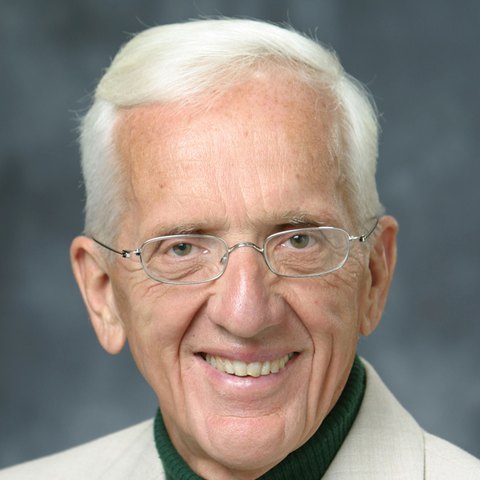
Campbell traces the soy debate to early in his career, when soy protein first looked like a competitor to dairy30. He calls the breast cancer fear nonsense and says soy’s hormone-like compounds act against estrogen2. In an article on NutritionStudies.org he wrote that whole soy foods, as opposed to extracts and supplements, consistently look protective18.
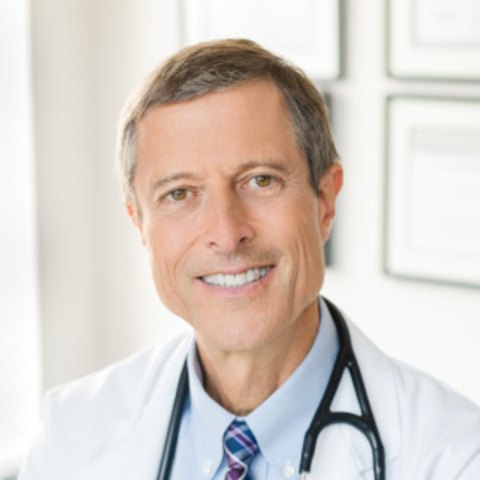
Barnard calls soy optional but a health food, and links the highest intakes to about 30% less breast cancer and a similar drop in prostate cancer1511. He credits his group’s menopause study, with daily mature soybeans on a vegan diet very low in oil, for cutting hot flashes by almost 90%3127. In 2026 he called the soy and cancer link a myth and named coconut milk as the plant milk to avoid1.
Ornish listed soy products among the main foods of his diet in an interview posted in 2011 and again on television in 20123233. His program’s site answers the plant estrogen worry directly and recommends soy in moderation, about one to two servings a day22.
On a 2023 panel about food addiction Goldhamer was asked about soy and estrogen, and said the fear of soy’s plant estrogens had likely been greatly overstated, with no real evidence against eating some6. He still counts tofu as a highly processed food, at about 55% of calories from fat, and treats it with the same restraint as nuts and seeds7.
Rogers is the one doctor here who advises against soy, citing its estrogen-like compounds, hexane processing and herbicide residues on genetically modified crops32114. In 2022 he admitted he could not say whether the critic he was relying on was right13. In 2024 he claimed McDougall was more opposed to soy than his public advice suggests29.
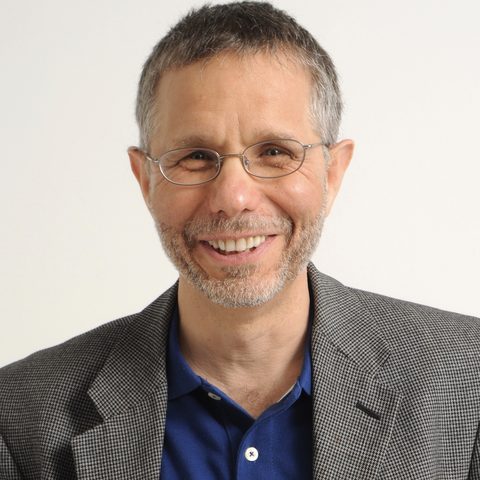
Novick became more cautious over a decade, from suggesting a little soy in 1998 to saying in 2008 that he had never been a fan1628. He points out how calorie dense soybeans are and how little soy protein even high soy Asian groups eat9. His advice is whole forms such as edamame, tofu and tempeh, used like a condiment5.
A 2025 article under Rip Esselstyn’s name lists tofu and tempeh among plant proteins and calls soy complete on its own20. His site’s 2026 tofu grilling guide says he nearly always picks super firm tofu34.
Chef AJ judges processing by whether a food is easy to make at home, and in 2017 she put soy milk, tofu and tempeh on the acceptable side of that test35. In 2018 she said that tofu, though healthy, draws over half its calories from fat, which is why she leaves it out of what she recommends for weight loss; she skips it herself because of a soy allergy26. Soybeans, unlike sugar or oil, never felt addictive to her, so giving them up did not feel like a loss36.
Kahleova’s 2026 analysis used a 12-week trial in which postmenopausal women ate a low-fat vegan diet with soybeans every day37. The release on it reports an 88% fall in moderate to severe hot flashes and attributes part of that to soy isoflavones38.
We treat soy as optional: tofu, tempeh, edamame, miso or unsweetened soy milk are welcome in modest amounts next to the starches, beans and vegetables that make up the meal. We skip soy burgers, soy cheeses, soy protein powders and other products built from isolated soy protein. Anyone with a medical condition, including a history of breast cancer, should talk the question through with their own doctor. This page is education, not medical advice.
Each small number opens its source in a new tab: the video at the exact second, or the page where it was said. All of them are listed under References below.